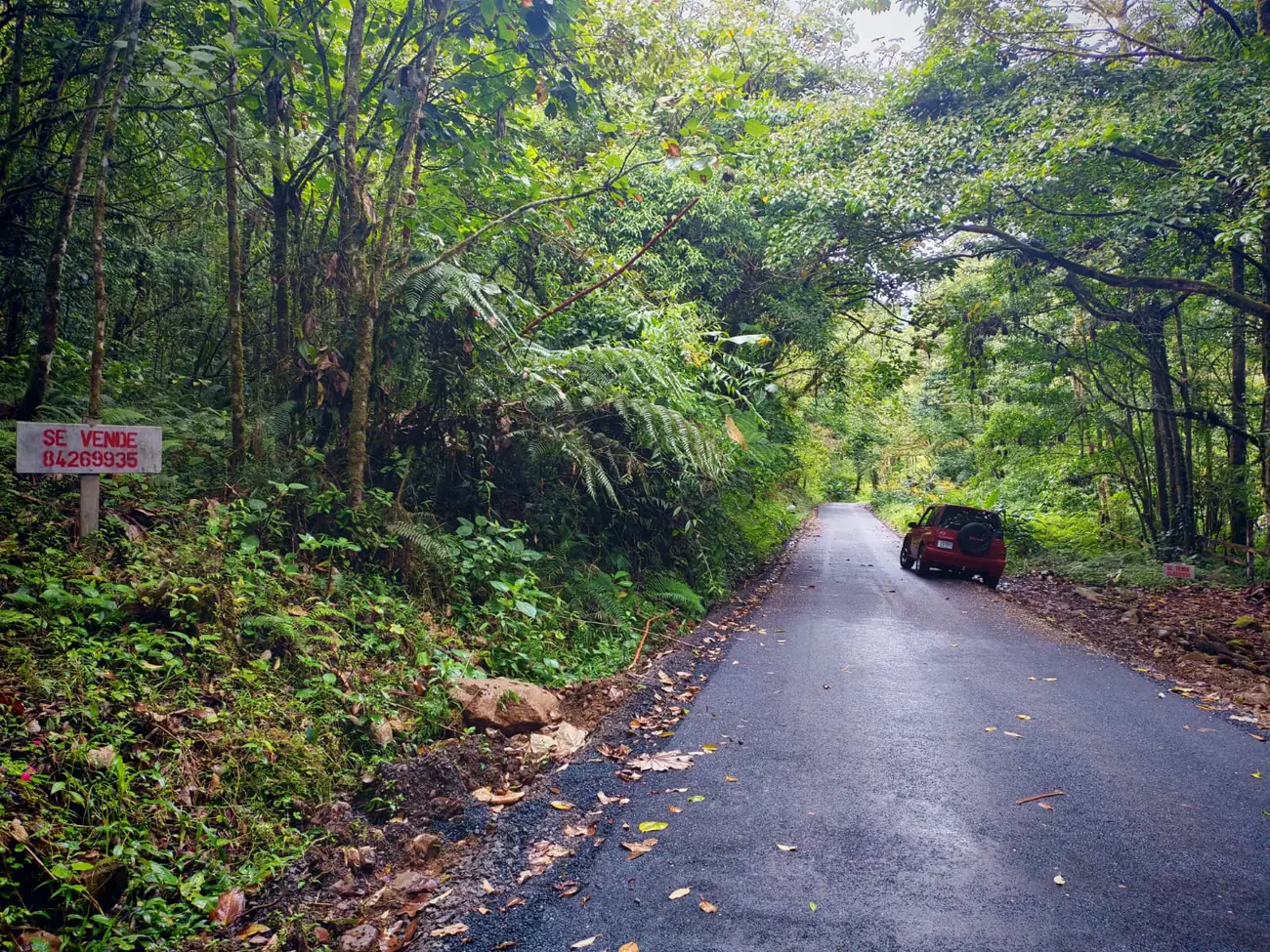

Where is Bajos del Toro?
Bajos del Toro (officially Toro Amarillo) is a district of Sarchí canton in Alajuela province. It lies in a valley of Costa Rica’s Central Range, between Poás Volcano and Zarcero, surrounded by Juan Castro Blanco Water National Park.
It is one of the least populated districts in Costa Rica: a few hundred residents, dairy farms, trout ponds, mountain lodges and forest everywhere. Life moves slowly, to the rhythm of water.
Getting there
Paved roads lead all the way. From Juan Santamaría International Airport (SJO) it takes about 1 h 30 min; from San José, around 2 hours.
- Via Sarchí: the classic route from the Central Valley, climbing through coffee farms and mountains.
- Via Zarcero: about 30 minutes away, ideal if you come from the north.
- From La Fortuna (Arenal): about 1 h 30 min.
The final stretch to Quintas Parque del Agua and the National Park was paved in April 2026. A regular car is enough.
Weather: mountain spring all year
At about 1,450 meters, the climate is cool: mild days and fresh nights, typically between 15 °C and 27 °C (59–81 °F). No air conditioning needed — and a fireplace is always welcome.
It’s a cloud-forest area with plenty of rain, which is why there are so many springs, streams and waterfalls. The driest months are usually January to April; in the green season mornings are often clear.
Waterfalls & rivers
Bajos del Toro is known as “the village of waterfalls”: there are more than twenty falls around it, many on private farms with trails.
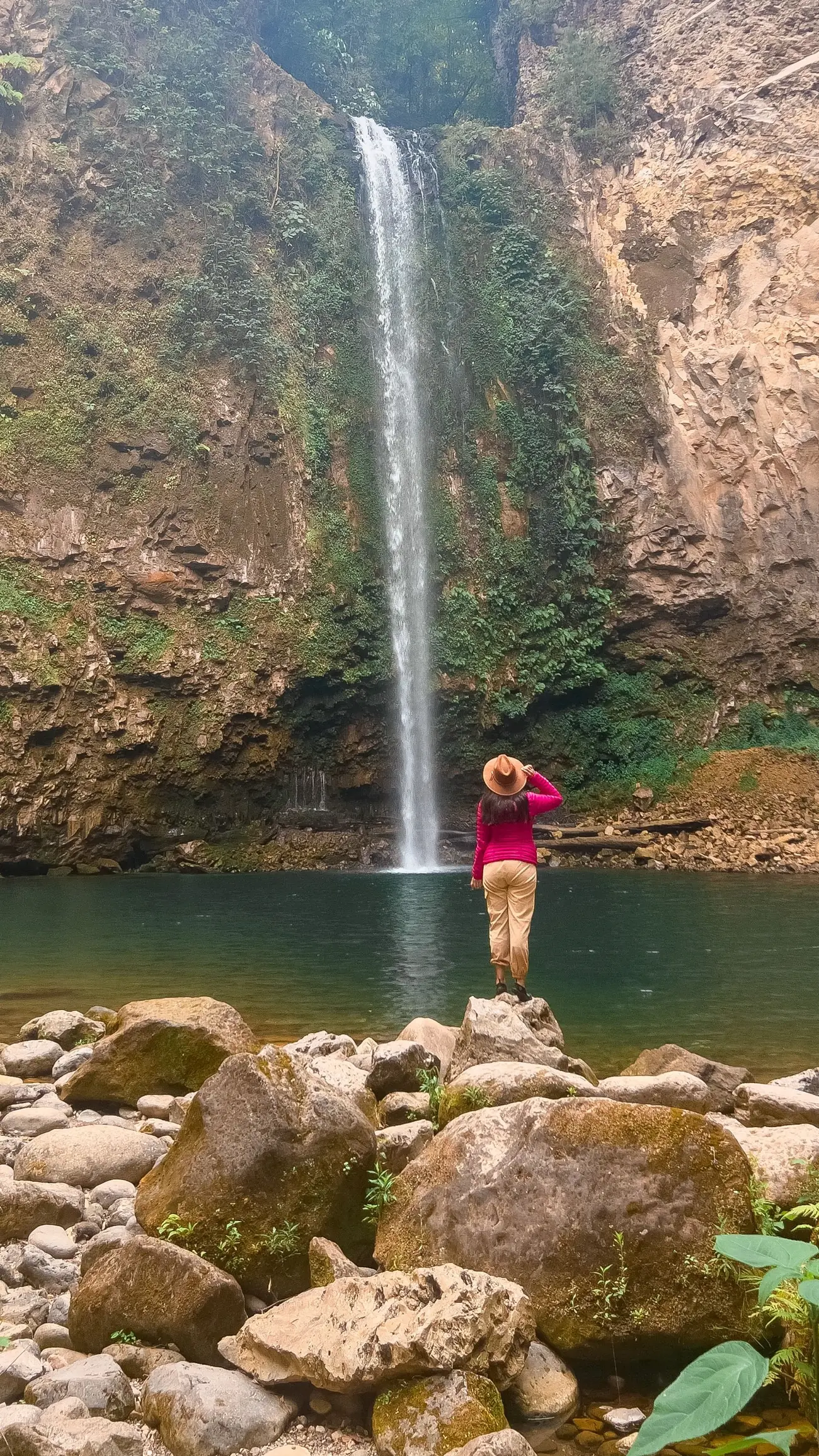
Catarata del Toro
One of the tallest in the country: about a 90-meter drop inside the crater of an extinct volcano, surrounded by forest.
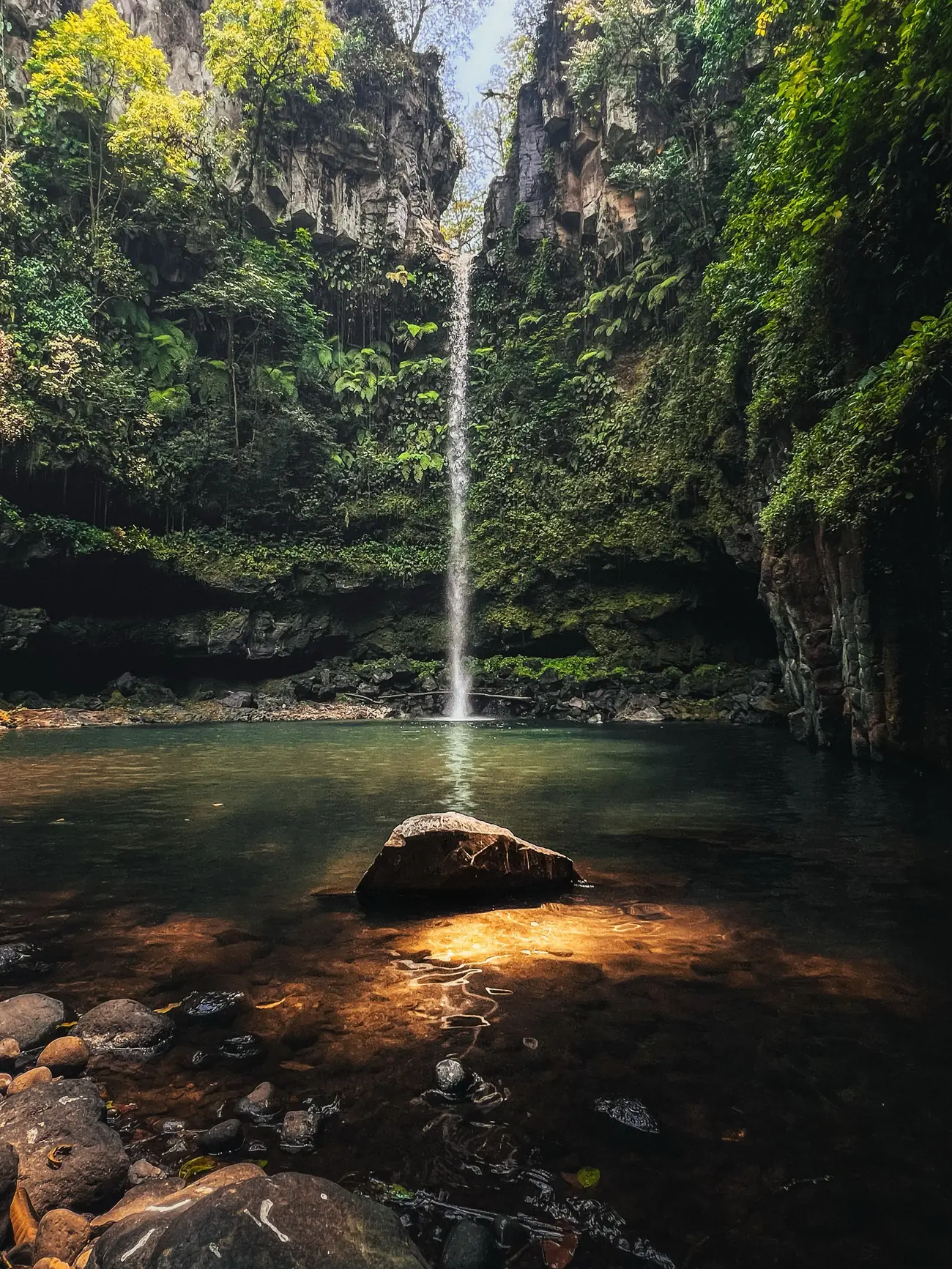
Forest pools
Like those at Blue Falls: waterfalls and turquoise pools a forest hike away.
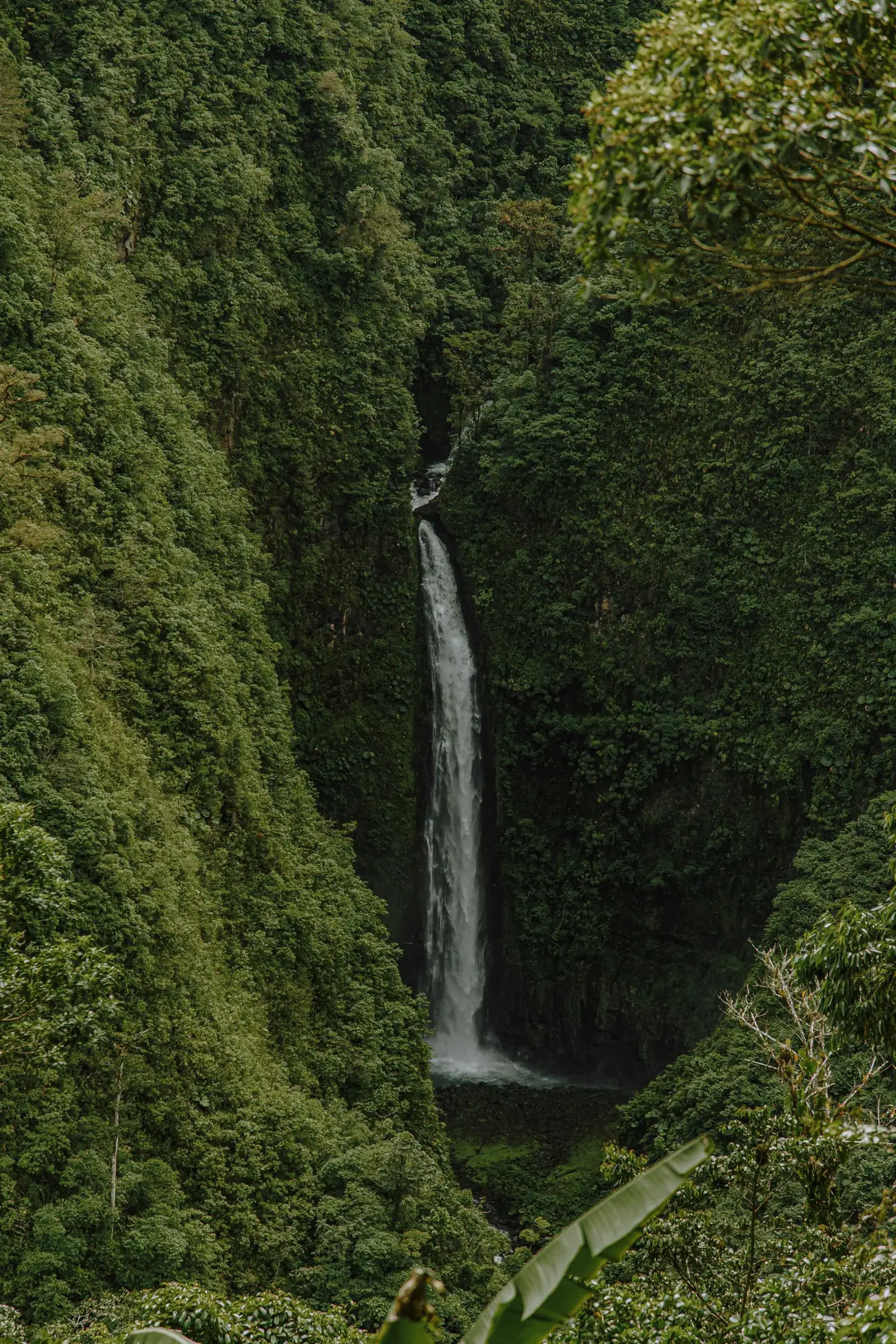
Hidden waterfalls
Dozens of falls on private farms and community trails.
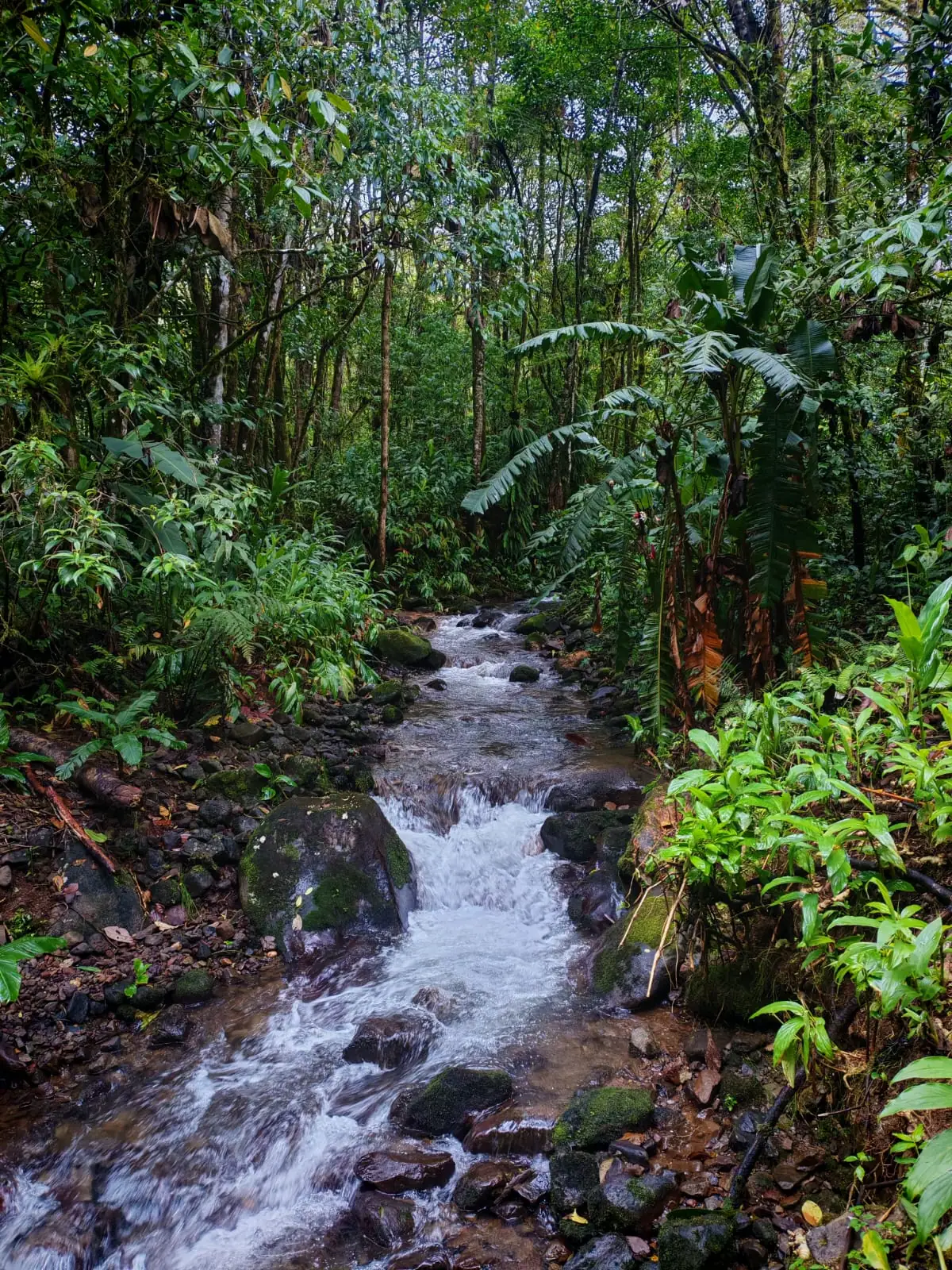
Crystal-clear streams
Pure water born in the Park flowing down through the farms — including our estates.
The Toro River also runs through volcanic rock canyons with turquoise pools — perfect for a river hike in the dry season.
Juan Castro Blanco Water National Park
Created to protect the springs of northern Costa Rica, Juan Castro Blanco Water National Park covers about 14,453 hectares of forest. Its 200+ springs supply rural water systems for many communities.
The park includes Porvenir (2,264 m), Platanar and El Viejo volcanoes. The Bajos del Toro sector is one of the least visited: nature practically untouched.
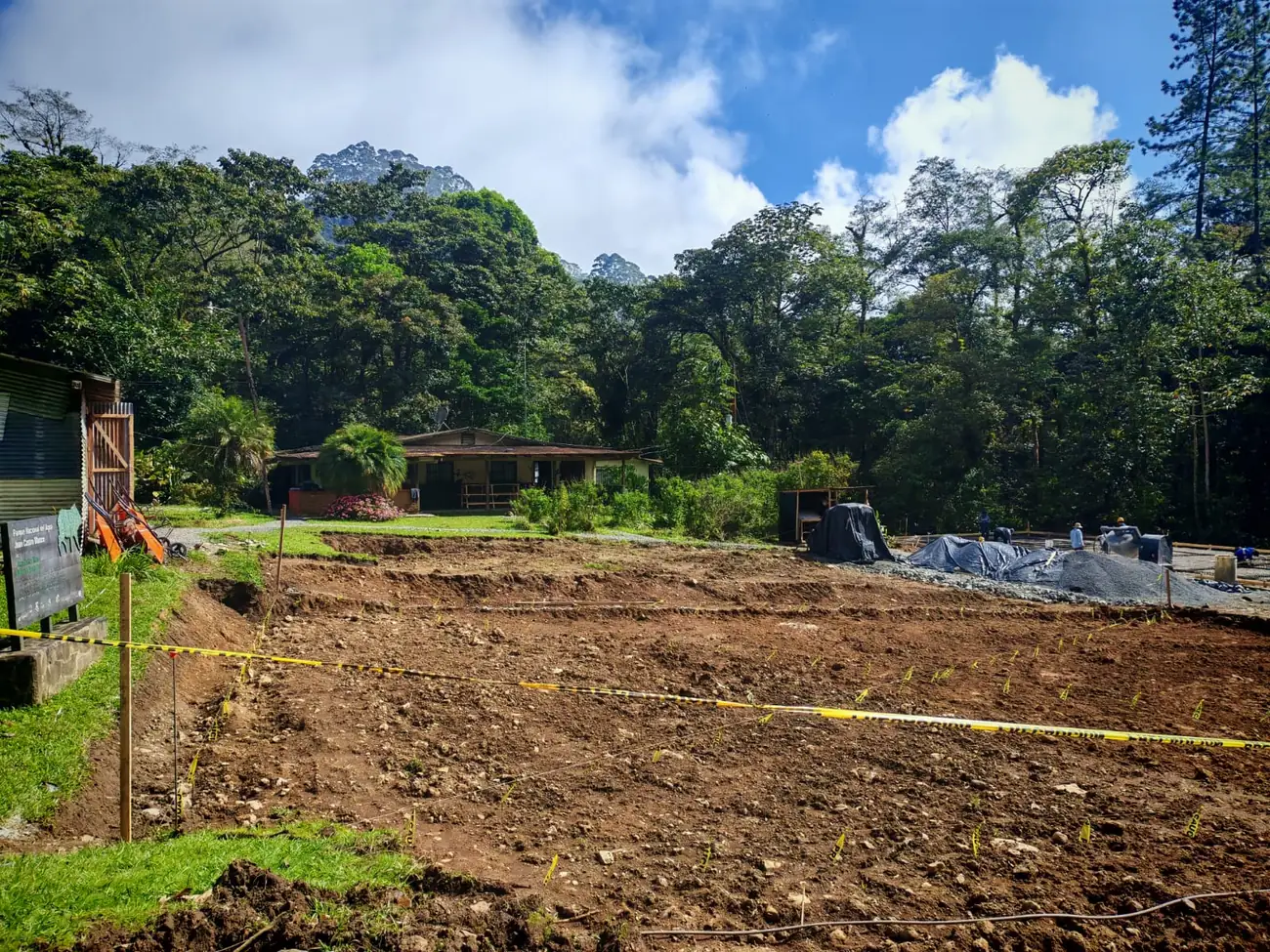
In 2026 construction started on a new Visitor Center, a public investment of more than ₡350 million, about 50 meters from Quintas Parque del Agua. It will bring new visitor infrastructure and open the park to more nature tourism.
Birds & wildlife
The park records more than 233 bird species — including the resplendent quetzal —, 57 mammal species, over 200 orchid species and around 2,000 plant species. It’s a well-known birdwatching destination.

More to do nearby
- Mountain lodges: the area is home to high-end nature hotels such as El Silencio Lodge & Spa and Bosque de Paz.
- Sarchí: birthplace of the painted Costa Rican oxcart, a tradition recognized by UNESCO as Intangible Cultural Heritage.
- Zarcero: famous for its sculpted cypress park and church.
- Poás Volcano and La Fortuna: two of the country’s top destinations, a short drive away.
Why invest in Bajos del Toro
The area combines three things that rarely come together: protected nature that cannot be developed, paved access ninety minutes from the airport, and new public investment in tourism.
- Law 10781 (January 2026) declared tourism development in Toro Amarillo of public interest.
- The new National Park Visitor Center will bring more visitors to the area.
- The supply of lodging and land in the area is still limited.
Quintas Parque del Agua offers 20 estates of 4,606–6,031 m² with streams, a paved road and individual title, very close to the National Park.
Frequently asked questions
How long does it take to get to Bajos del Toro from San José?
About 2 hours by car on paved roads; from Juan Santamaría International Airport, around 1 h 30 min.
When is the best time to visit Bajos del Toro?
The driest months are January to April, ideal for hikes and waterfalls. The rest of the year the forest is at its greenest and mornings are often clear.
What is the temperature in Bajos del Toro?
The climate is cool, typically between 15 °C and 27 °C (59–81 °F) depending on time of day and season.
Where is Catarata del Toro?
It’s in Bajos del Toro, Sarchí, a few minutes from the village. It drops about 90 meters inside an extinct volcanic crater.
Can you picture yourself living here? Meet Quintas Parque del Agua.
Sources: SINAC, Costa Rica Tourism Board (ICT), Legislative Assembly (Law 10781), UNESCO and project data. Approximate figures.